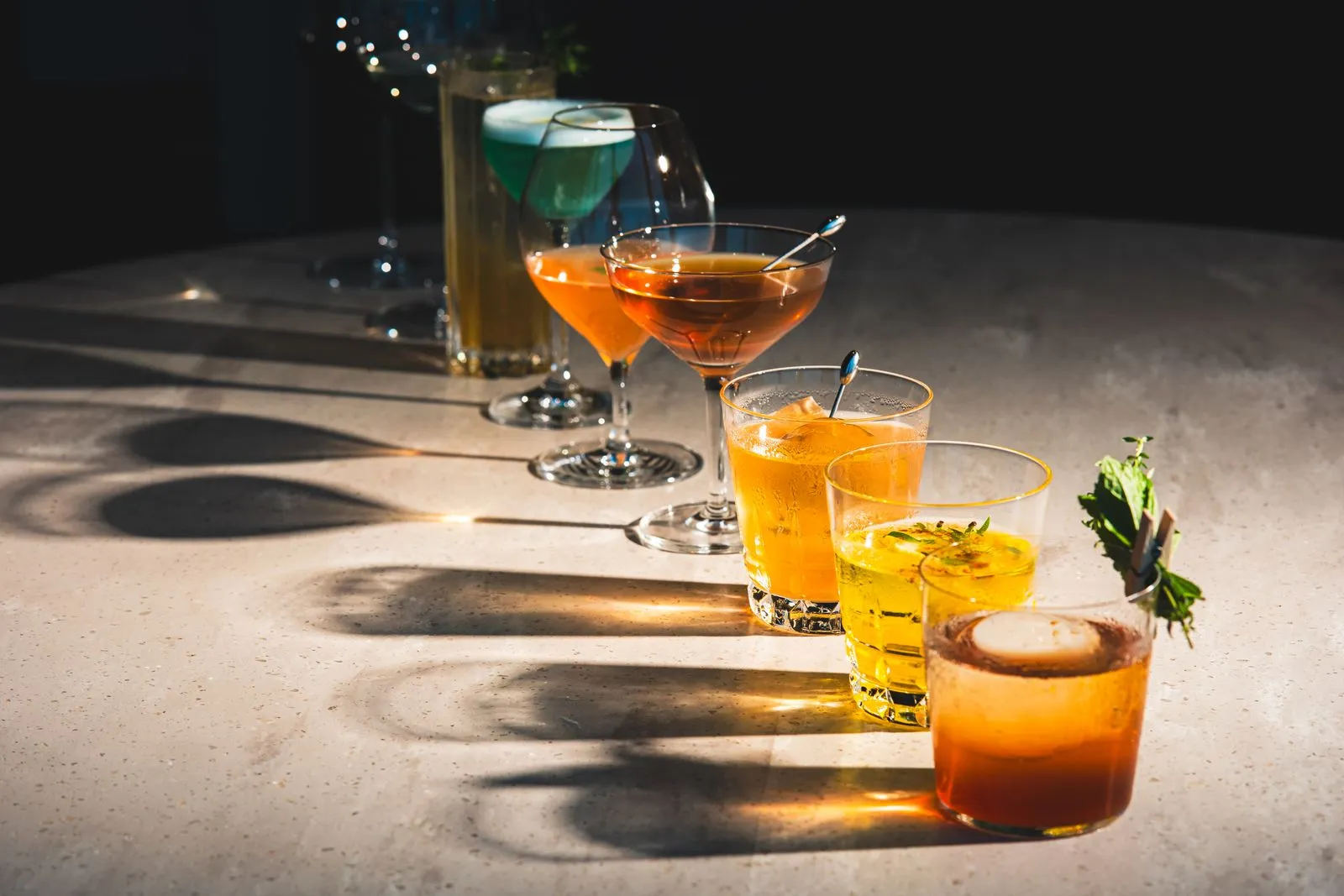
Choosing a cocktail gets easier when you think about the flavors and sensations you already enjoy. Do you reach for tart lemonade, a bitter aperitif, or a smooth, spirit-forward drink? Those clues can help a bartender guide you toward something familiar or introduce you to a new combination. You don’t need to know cocktail terminology. A few clear preferences—sweet or dry, light or strong, citrusy or herbal—are enough to start a useful conversation.
Start With Sweet, Tart, or Bitter
Sweetness can come from syrup, liqueur, juice, or a naturally sweet ingredient. If you like a softer, rounder taste, ask for something lightly sweet. If sugary drinks aren’t for you, say you prefer a drier cocktail. “Dry” usually means less sweet, not alcohol-free or flavorless, so mention any other qualities you want too.
Acidity gives a drink its bright, tart edge. Citrus-forward cocktails often taste lively and refreshing, while bitter ingredients such as certain aperitifs add a sharper, more complex finish. Tell the bartender whether you enjoy lemonade-like tartness, a gentle bitter note, or neither. You can also ask for a balanced drink if you want sweetness and acidity to meet in the middle.
Choose a Spirit and Strength
The base spirit strongly shapes a cocktail. Gin often brings botanical or herbal notes; tequila can taste earthy or bright; whiskey may suggest oak, spice, or caramel; and rum can range from grassy to rich. These are broad tendencies, not guarantees. If you already enjoy a particular spirit, naming it gives the bartender a helpful starting point.
Also describe how prominent you want the alcohol to feel. Ask for something light and refreshing, or for a spirit-forward drink if you want the base spirit to stand out. If you’re unsure, say you’d like a balanced option that doesn’t taste too strong. A cocktail can taste smooth while still containing alcohol, so check with the bartender if you want to know what’s in it.
Think About Texture and Temperature
Texture affects how a drink feels, even when the flavors are familiar. Some cocktails are crisp and sparkling, while others feel silky, creamy, or rich. If you like bubbles, ask for a sparkling or highball-style drink. For a fuller texture, mention that you enjoy creamy or round flavors. If you prefer something clean and brisk, request a lighter, more refreshing profile.
Temperature and dilution matter, too. A drink served over ice may feel cooler and loosen as the ice melts; a shaken cocktail can feel especially cold and airy. Tell the bartender if you prefer drinks served up, over ice, or with bubbles. You don’t have to specify a technique—simply describe the experience you want, such as crisp, cold, fizzy, or smooth.
Give the Bartender Useful Clues
A short description works better than trying to name a cocktail you don’t know. Try: “I like tart drinks, prefer gin, and don’t want anything too sweet,” or “I usually order whiskey, but I’d like something lighter and herbal.” Mention flavors you avoid, such as strong bitterness, creamy ingredients, or a pronounced alcohol taste. These details help narrow the choices quickly.
If you have no clear preference, share a drink or flavor you already like—iced tea, fresh citrus, berries, coffee, or a crisp beer can all provide a starting point. Ask what the bartender recommends and whether the drink is sweet, sour, bitter, or spirit-forward. At Juniper Room in Austin, you can use the same straightforward descriptions; there’s no need to know a cocktail menu by heart.
The best order begins with what you enjoy, not with memorizing cocktail names. Describe a few flavor preferences, how strong you want the drink to taste, and any ingredients you’d rather avoid. Your bartender can use those clues to suggest a good fit—or help you try something new. Next time you’re at a cocktail bar, start with one simple preference and see where it leads.